Urine
A urine test is a simple yet highly effective laboratory examination used to assess overall health and detect various medical conditions. By analyzing the physical, chemical, and microscopic properties of urine, this test helps identify infections, kidney disorders, metabolic issues, diabetes indicators, and other underlying health problems. It is quick, painless, and commonly included in routine checkups, pre-employment tests, and diagnostic evaluations to provide valuable insights into your body’s internal functioning. With its wide diagnostic value and ease of testing, a urine examination remains one of the most essential components of preventive and clinical healthcare.
Stool
A stool test is a laboratory examination used to evaluate digestive health and detect various conditions affecting the stomach, intestines, and overall gastrointestinal system. By analyzing a stool sample, healthcare professionals can identify infections, parasites, bleeding, inflammation, poor nutrient absorption, and disorders related to digestion. This simple, non-invasive test provides valuable insights into gut health and helps diagnose issues that may not be visible through routine blood tests.


Sputum Examination
A Sputum Examination is a diagnostic test used to analyze mucus coughed up from the lungs and respiratory tract. This test helps detect infections, inflammation, and lung-related conditions by identifying bacteria, fungi, abnormal cells, or other organisms present in the sample. It plays a crucial role in diagnosing respiratory diseases such as tuberculosis (TB), pneumonia, bronchitis, and chronic lung disorders. The test is simple, non-invasive, and highly valuable for understanding the health of the lungs and determining the most effective treatment plan.
T.M.T. (Tread Mill Test)
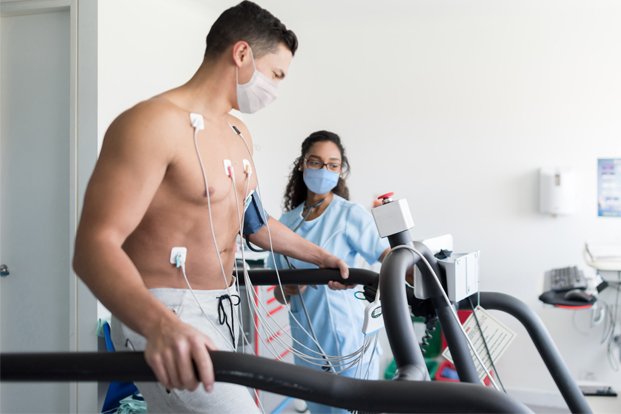
A T.M.T. (Tread Mill Test) is a specialized cardiac examination used to evaluate how well your heart performs during physical activity. As your body works harder on the treadmill, the heart must pump more blood, allowing doctors to identify any hidden heart problems that may not appear during rest. This test helps detect coronary artery disease, irregular heart rhythms, reduced blood flow, and exercise-induced symptoms such as chest pain or shortness of breath. It is a safe, controlled, and reliable method to assess cardiac fitness and determine your heart’s capacity to handle physical stress.